

Why Does My Hip Hurt When I Sleep? Common Causes and When to Seek Help
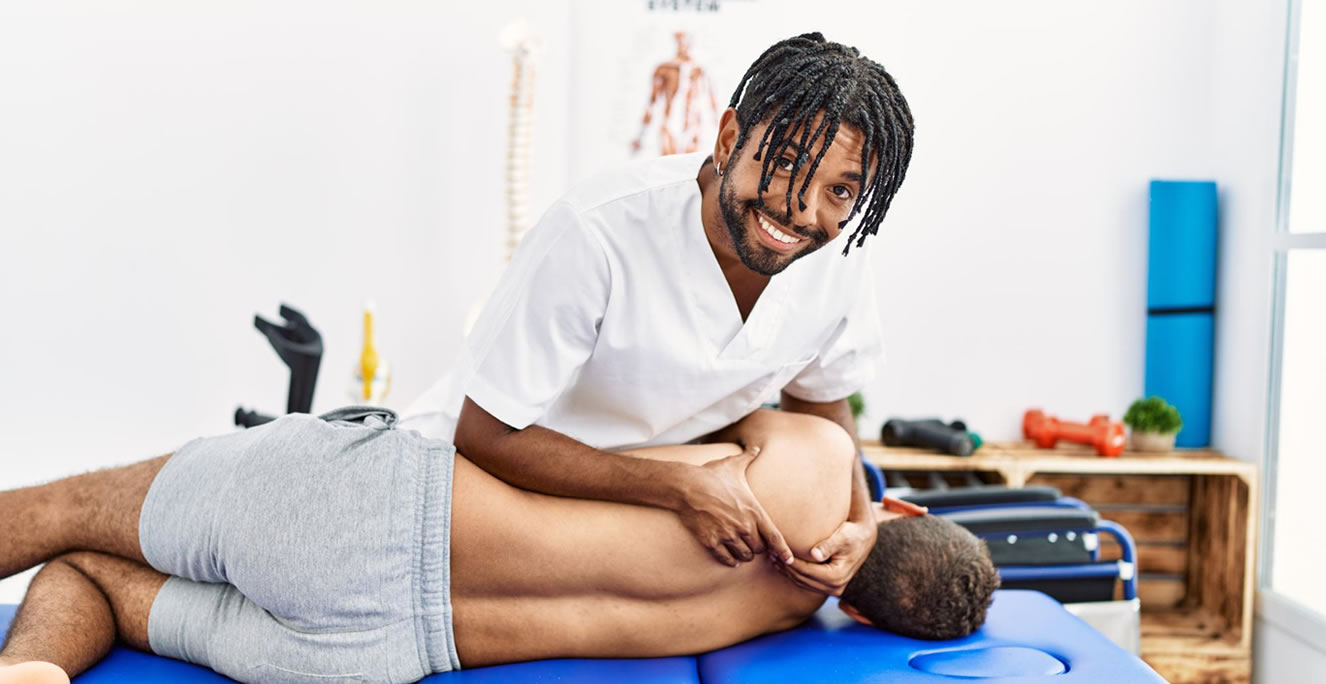
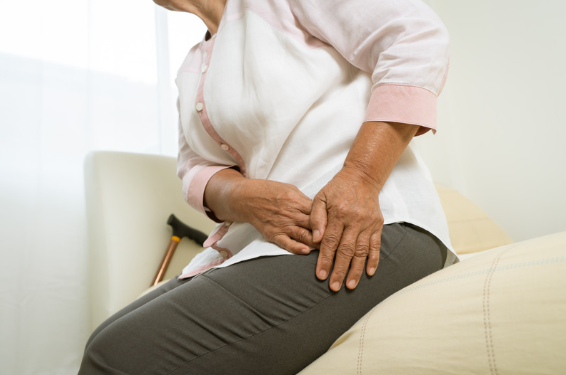
Waking up with hip pain? Learn the most common causes of hip pain at night, tips to relieve discomfort, and how physical therapy can help you sleep better.
 Destacado
Waking up with hip pain? Learn the most common causes of hip pain at night, tips to relieve discomfort, and how physical therapy can help you sleep better.
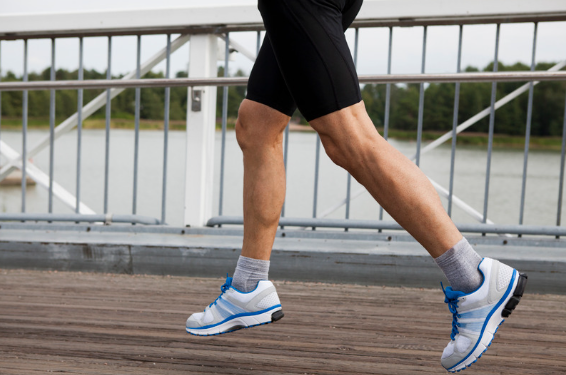
Running injuries may be linked to your stride mechanics and running cadence. Learn how overstriding can increase stress on the hips and knees, how proper cadence may help reduce injury risk, and how physical therapy can improve running form, performance, and recovery.

Summer is prime time for youth sports—and in our clinics, that means one thing: 📈 A surge in young athletes dealing with injuries. From soccer and basketball to swimming and football, teens are staying active (which we love)… but many are also dealing with: Sprained ankles Knee pain Shoulder injuries Back soreness And the biggest concern we hear? 👉 “Am I going to have to stop playing?” Let’s talk about how to keep young athletes healthy, active, and performing at their best.
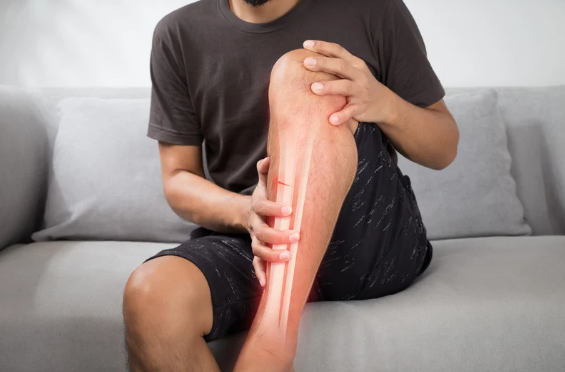
If you’re experiencing pain along the inside of your shin—especially during or after running—you may be dealing with shin splints, also known as medial tibial stress syndrome (MTSS).

Swimming is often considered a low-impact, full-body workout—but for many athletes, low back pain from swimming can become a frustrating and limiting issue. Whether you're a competitive swimmer or training recreationally, back pain can affect your performance both in and out of the pool. The good news? Physical therapy for swimmers with low back pain can help relieve discomfort, correct underlying issues, and prevent future injuries.

If you're an avid runner or an occasional jogger experiencing persistent knee pain, you may be dealing with Runner’s Knee—a common overuse injury formally known as Patellofemoral Pain Syndrome (PFPS).
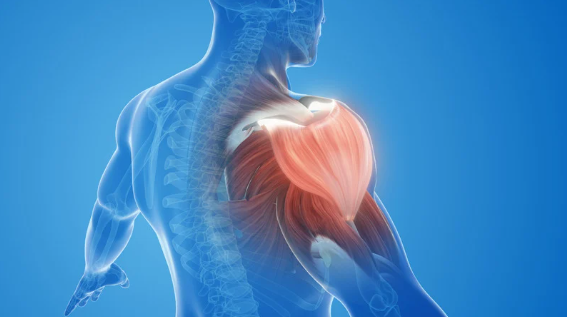
Muscle strains are one of the most common injuries we see in active individuals. While they may feel straightforward (“I pulled a muscle”), what’s happening inside your body is actually quite complex. Below, we break muscle strains down into five key physiological processes and explain how physical therapy supports safe, long-term healing.
Nuestros fisioterapeutas expertos están listos para ayudarle a alcanzar sus objetivos de recuperación en ubicaciones en todo Maryland.
Aceptamos todos los seguros principales. Si su plan de seguro requiere que pague un copago, coaseguro y/o un deducible, deberá pagar en el momento de su visita.
Para su conveniencia aceptamos efectivo, cheques, Visa, MasterCard, Discover y American Express. Si tiene alguna pregunta relacionada con su factura o seguro, comuníquese con nuestros especialistas en facturación al (866) 446-9056.



 Hi! I'm Benny the Bruiser, the toughest little teddy you've ever seen.
Ask about therapy, locations, insurance
Enter your info, and our team will contact you shortly.